Skip to content

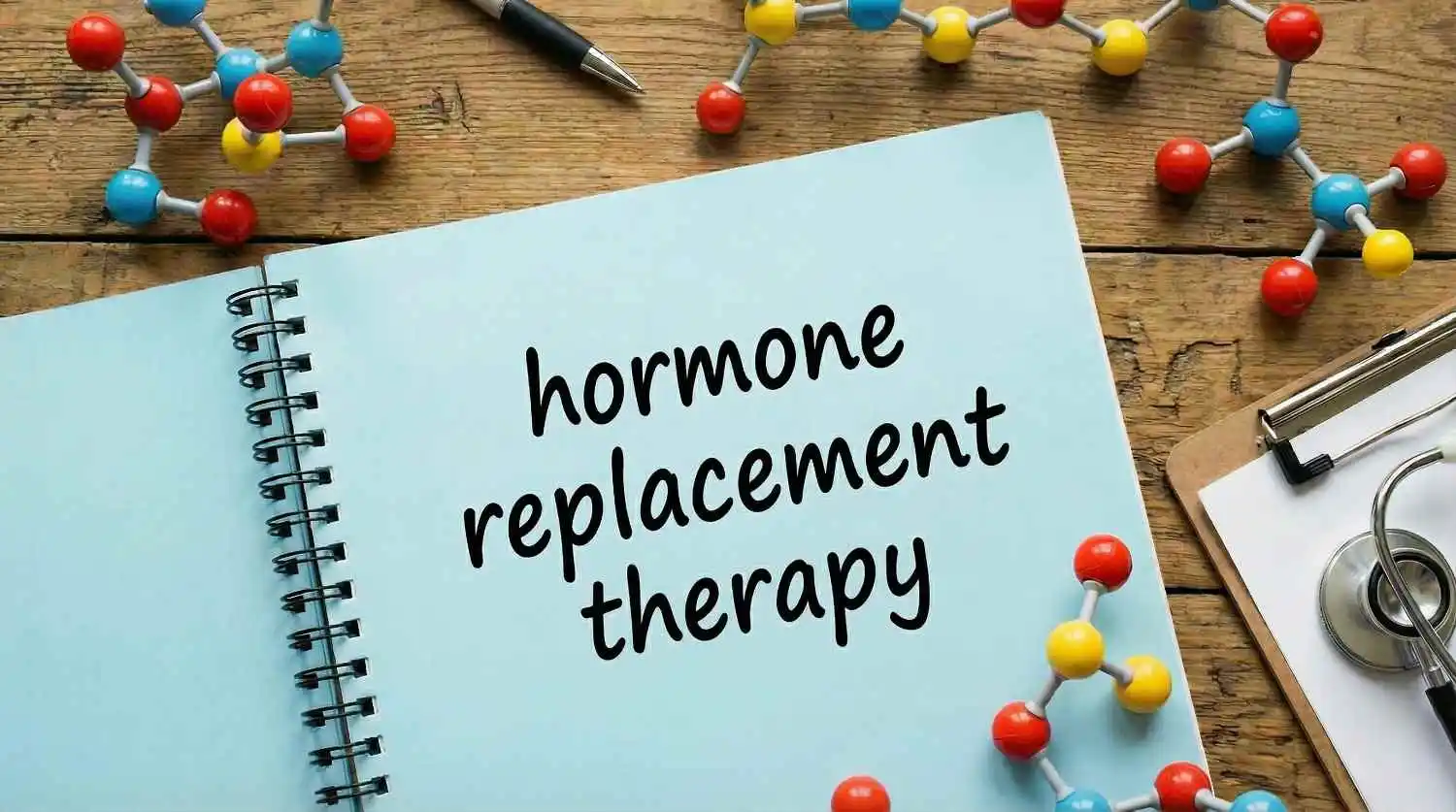
Most patients notice early changes in sleep, energy, or mood within the first two to four weeks after a hormone pellet insertion, with fuller effects typically settling in around the two- to three-month mark as hormone levels stabilize. Individual timelines vary, and follow-up lab testing tells your provider where you are on your timeline.
The waiting is often the hardest part. The pellets are in, and now you check yourself every morning for a sign something has shifted. At Revive Med Aesthetics, we walk patients through the hormone therapy timeline before the first insertion, so nobody judges BHRT therapy in Fredericksburg, VA too early.
When will I start feeling better after getting hormone pellets?
Timelines differ, but the first signs usually appear within two to four weeks of pellet placement, often as steadier sleep or a lift in day-to-day energy. Because pellets dissolve slowly, levels climb rather than spike, so early progress can feel uneven. Many patients say things hold steady after a couple of months.
What “Working” Actually Means With Hormone Pellets
Hormone pellet therapy works on a gradual climb. The pellets sit just beneath the skin and dissolve slowly, releasing bioidentical hormone replacement therapy at a steady pace over months. That steadiness is the point, and it means hormone therapy results build over weeks.
It helps to separate two things patients blend together. One is when your hormone levels actually move, which begins early and shows up on labs. The other is when you feel it, which lags behind. Your body has been running at a different set point, sometimes for years.
The symptoms Revive patients track most are energy levels, sleep quality, mood changes, mental clarity, libido, and hot flashes or night sweats. Watch the two or three that matter most.
A Realistic Timeline of Hormone Pellet Results
BHRT pellet therapy follows a loose but recognizable arc. Your own pace may run faster or slower.
The First One to Two Weeks
Absorption begins as the pellet dissolves, though many patients feel very little yet. Sleep quality tends to shift first, with some reporting they fall asleep faster or wake less often by week two. A quiet first fortnight is normal.
Weeks Two Through Six
This is the window where most patients first notice something real. Energy and mood stability often lead, described less as a surge and more as the lifting of a drag that had become normal. Levels are still climbing toward steady state, so symptom improvement arrives unevenly. A few strong days followed by a flat one is part of it.
Months Two Through Four
Many patients describe months two through four as the most consistent stretch, with symptoms holding steadier day to day. Brain fog often clears here, and slower changes such as libido and body composition tend to surface now.
Months Four Through Six
As the pellet nears full absorption, hormone levels gradually decline, and familiar symptoms may return. At Revive, hormone pellets typically last about four months for women and five to six months for men, with individual variation. Treat the taper as your cue to schedule.
Which Symptoms Shift First and Which Take the Longest
Not every symptom moves on the same clock, and most timelines skip that. As a general pattern:
- Sleep, energy, and mood tend to respond earliest, since they track most closely with hormone levels
- Libido and sexual function usually follow on a slower curve, often in the second or third month
- Body composition is slowest and least predictable, moving on a nutrition and training timeline as much as a hormone one
These are tendencies, and none of them is a sequence you are owed. BHRT treatment results differ from person to person, and individual response to treatment varies, so your provider compares your pattern with your labs.
How Long One Pellet Insertion Keeps Working
Treatment duration differs between BHRT for women and BHRT for men. A single insertion at Revive Med Aesthetics typically lasts about four months for women and five to six months for men. Dosing explains most of the gap, since testosterone pellets are placed at higher doses that take longer to absorb, while estrogen pellets and progesterone are dosed on a smaller scale.
The end of a cycle usually announces itself. Patients describe earlier symptoms creeping back over a couple of weeks. That is the moment to call. Your pellet replacement schedule is planned around labs and symptoms together, which is why the date shifts from patient to patient.
Why Hormone Therapy Timelines Vary From Person to Person
Two patients with the same insertion date can sit in different places at week six. Starting hormone levels matter, and so does how long you were running low.
Dosing is the second factor. There is no standard dose, since it’s based on your lab testing and symptoms. First insertions are often conservative, which can mean a slower early response.
Other factors compete for the same symptoms. Thyroid function, sleep, stress, and nutrition all affect energy and mood, so hormone imbalance is rarely the only one.
What Follow-Up Labs Add to the Timeline
Follow-up bloodwork turns a guess into a plan. Repeat labs confirm whether your levels landed where your provider intended, separating “it is still early” from “the dose needs adjusting.” Both answers are common.
Dosage adjustments at this stage are an expected part of hormone optimization. Most plans take a cycle or two to settle into range, and hormone monitoring keeps your BHRT treatment plan aligned as your body changes. You can see how hormone pellet therapy is evaluated and monitored at Revive.
Where That Leaves Your BHRT Timeline
Understanding the hormone pellet therapy timeline can help you approach treatment with realistic expectations. If you are wondering how long hormone pellet therapy takes to work, remember that individual responses vary based on hormone levels, symptoms, and treatment needs. Follow-up appointments and appropriate lab testing can help your provider assess your progress and determine if adjustments are necessary. Consistent medical guidance allows you to evaluate your response and make informed decisions about the next steps in your treatment.
Ready to explore BHRT? Schedule your consultation with Revive Med Aesthetics in Fredericksburg, VA. Book your appointment today.